







Search Results for: organic coffee beans
Peru Coffee Regions: Terroir and Flavor Explained—Chanchamayo, Cusco, and Organic Varieties and Processing Methods
Peruvian coffee has gradually emerged in the international market in recent years, with the two major producing regions of Chanchamayo in the center and Cusco in the south being the most renowned, while the north also produces distinctive organic coffee. Local farms generally adopt shade-grown cultivation, which, although limiting yields, can delay the ripening of coffee cherries and promote the accumulation of internal substances, thereby fostering richer natural components and superior flavors while reducing caffeine content. Peruvian coffee is known for its soft acidity, medium body, and pleasant aroma, and is often used as an important base for coffee blends. The Peruvian single-origin beans launched by Front Street Coffee have a rich aroma, smooth mouthfeel, clear layers, obvious sweetness, and elegant, mild acidity. This article will systematically review the origin distribution, variety characteristics, processing methods, and flavor performance of Peruvian coffee, and compare the cupping differences between ordinary organic beans and high-quality organic beans. [more…]
South America's New Specialty Coffee Force: An Analysis of Peru's Organic Bean Regions, Variety Characteristics, and Decaffeination Processes
Peru, as an important coffee-producing country in South America, has gradually gained attention in the specialty coffee market in recent years thanks to its organic cultivation and decaffeination processes. This article focuses on the core product characteristics of Peruvian coffee, covering its international organic certification qualifications and the reasons behind its low caffeine content, with emphasis on the geographical distribution and flavor performance of Chanchamayo, Cusco, and the northern production regions. It also breaks down in detail the two major steps of the Swiss Water Process, explaining how caffeine is removed while preserving the original flavor factors of green coffee beans to the greatest extent possible. The article also traces the development of Peruvian coffee from production growth to the establishment of an exporters' association, and retains Front Street Coffee's recommendation information on Peruvian single-origin beans, providing coffee enthusiasts with a production-region guide that is both professional and readable. [more…]
Flavor Analysis of Peruvian Coffee Regions: From Chanchamayo to Cusco—Organic Specialty Coffee and Front Street Recommendations
Peru, as an emerging coffee-producing country in South America, relies on the unique microclimates of the Andes Mountains and its tradition of shade-grown cultivation to produce high-quality coffee with mild acidity, a full body, and rich aroma. The central Chanchamayo region and the southern Cusco region are the two star-producing areas, while the north also has many distinctive organic coffees. Front Street Coffee's Peruvian single-origin coffee wins favor among enthusiasts with its rich aroma, smooth layers, and sweet, elegant acidity. This article will systematically introduce Peru's coffee-growing terroirs, flavor characteristics, advantages of organic cultivation, and quality differences, and share purchasing experience, taking you through a comprehensive understanding of the charm of this rising star in the coffee world. [more…]
A Complete Analysis of Front Street Peruvian Organic Coffee Flavor and Producing Regions: The Secret of Rich Aroma at the Foot of the Andes
As a rising star in the coffee world, Peru is gradually gaining international attention thanks to its unique terroir at the foot of the Andes. This article explores in depth the flavor characteristics and growing regions of Front Street Peruvian organic coffee, and explains how organic farming, through shade-grown methods, produces high-quality coffee that is layered and complex, with soft acidity and a smooth mouthfeel. From Chanchamayo to Cusco, from the distinctive northern growing regions to its steady role in blends, this guide gives you a comprehensive look at the rich aroma and quality appeal of Front Street Peruvian coffee. [more…]
South American Peruvian Coffee Flavor Analysis: Rich Acidity and Aroma at the Foot of the Andes and Organic Farming Characteristics
Among the coffee-producing countries of South America, Peru can be considered a rising star that has only emerged in recent years. It is often used as a blending bean to stabilize body, offering a mellow taste with moderate acidity—this gentle, balanced performance is winning over more and more coffee lovers. Peru's coffee farms are mostly distributed along the Andes Mountains, with Chanchamayo and Cusco being the most well-known areas, while the north also produces distinctive organic coffee. Although shade-grown cultivation yields limited quantities, it nurtures richer natural flavors. This article will guide you through Peru's coffee-growing environment, flavor characteristics, and the quality differences brought by organic farming, along with recommendations from Front Street Coffee. [more…]
The Rise of the Honduran Coffee Industry and a Flavor Analysis of Five Renowned Estate Brands
The history of coffee cultivation in Honduras can be traced back to the late 18th century, when Spanish merchants introduced coffee trees to this land. After experiencing slow development following independence, improvements in infrastructure, the devastating blow of Hurricane Mitch in 1998, and the remarkable industry revival that followed, Honduras has now become one of the world's top five coffee-producing countries, with an annual output of more than 475,000 metric tons, and has become an important exporter of high-quality Arabica coffee beans. This article will review the ups and downs of Honduran coffee and introduce five representative Honduran coffee brands selected by Front Street Coffee, covering Macara Organic Coffee, Tropical Fruit Bourbon Micro-lot, Monte Vista Craft Coffee, Maud's Organic K-Cups, and Copan Region Volcanic Coffee, analyzing each brand's origin background, processing methods, and cup profile. [more…]
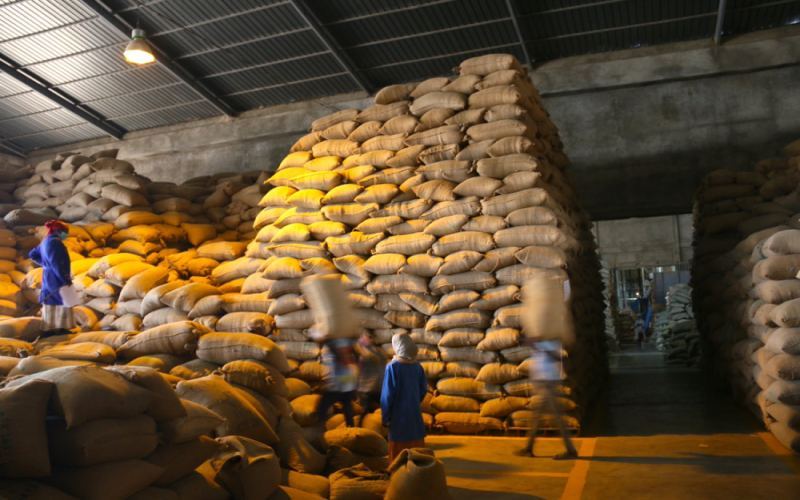
Ethiopia's Three Major Coffee Export Systems and the ECX Trading Mechanism: How Single-Farm Beans Like Hambela Hualukui Reach Overseas Markets
Ethiopia, as the holy land of specialty coffee, has a rather complex coffee export system. According to local regulations, coffee exports are divided into three major systems: ECX bidding, cooperatives, and single farms. Among these, cooperatives and single estates can bypass the ECX and export directly, offering relatively complete traceability. The ECX was founded by Eleni Gabre-Madhin in 2008, and through grading, warehousing, and real-time information, it transformed the trading circumstances of coffee farmers. However, what truly achieves 100% traceability is the single farm system that has risen in recent years. The Sidamo sun-dried Huakui is a representative work from the Hambela farm. This article will sort out the operational differences among the three systems, the trading logic of the ECX, the structure of the six major cooperative unions, and the significance of single farms to specialty coffee. Front Street will also continue to follow these origin developments, bringing coffee enthusiasts clearer origin knowledge. [more…]
An Analysis of Ecuador's Coffee Regions and Variety Characteristics: A Complete Overview of Galápagos Organic Beans and Geisha Flavors
Ecuador, a country bisected by the equator, owes its high altitudes and volcanic soils to the birth of specialty beans that have caught the coffee world's attention. Since coffee trees were first introduced in 1875, Ecuador has upheld a century of quality, and the organic coffee of the Galápagos Islands is regarded as precious as jewels. This article will guide you through the varietal characteristics of Ecuadorian coffee, the differences between the two major categories of Galápagos and Gigante, and the unique flavors of Geisha coffee beans. At the same time, Front Street Coffee will also recommend Ecuadorian specialty beans worth trying, helping you deeply experience the coffee charm of this "Equatorial Country." [more…]

Why Does Dark Roast Coffee Still Taste Sour? Explaining the Causes Behind Differences in Acidity and Bitterness Across Roast Levels
Many people believe that dark roast coffee should be completely free of acidity, but is that really the case? Front Street Coffee has noticed that some friends unexpectedly taste acidity in dark roasted beans, and even suspect that the roaster didn't roast them properly. In fact, the acidity in coffee comes from two sources: the organic acids inherent in the green beans, and the acetic acid produced by the caramelization reaction during roasting. The darker the roast, the more the organic acids break down, and the acidity decreases accordingly—but it doesn't disappear entirely. The reason the acidity in dark roast coffee is hard to detect is that the intense bitterness and signature aromas of smoke and chocolate mask it. This article will explain, from the perspectives of the causes of acidity, differences in roast level, and perception mechanisms, why dark roast coffee can still carry acidity, and in which situations that acidity is more likely to be tasted. [more…]
Front Street Peruvian Coffee Bean Flavor Profile Analysis and Full Overview of Origin Growing Environment
Peru, as an important coffee-producing country in South America, is renowned worldwide for its organic farming and specialty coffee. Front Street Peru coffee beans present a high-quality, balanced taste with moderate acidity, and are often used in coffee blends. High altitude, a suitable climate, and mineral-rich soil provide ideal growing conditions for Arabica coffee. Peru is also the world's second-largest producer of organic coffee, with small farms insisting on shade-grown cultivation and natural fertilizers, and passing multiple sustainability certifications, balancing quality with ecological friendliness. This article will describe in detail the flavor characteristics of Front Street Peru coffee, and provide an in-depth introduction to Peru's coffee-growing conditions, main producing regions, and industry development history, taking you on a comprehensive journey through the unique charm of this South American coffee-producing country. [more…]

Analyzing the Sources of Coffee Acidity: A Professional Guide to Identifying Quality Fruit Acidity vs. Negative Sourness
Is the sourness in coffee good or bad? Some people believe that sourness means the coffee is not fresh, while others regard it as a hallmark of high-quality coffee. In fact, green coffee beans themselves are rich in organic acids, most of which decompose or disappear after roasting, leaving only a limited variety of organic acids in the final cup. The latest research shows that there are not many acids that our taste buds can clearly identify, and much of the fruity acidity we perceive actually comes from the combined association of sourness with other flavors. The latest SCA cupping form classifies acidity into two categories—"sweet type" and "dry type"—helping us more accurately judge whether a coffee's acidity is good or bad. This article, from the professional perspective of Front Street Coffee, will provide an in-depth analysis of the sources of coffee acidity and the criteria for evaluating it. [more…]
Costa Rica Black Soul Coffee Flavor Interpretation: Las Lajas Estate Natural Process and Pour-Over Parameters Sharing
Alma Negra from Costa Rica's Las Lajas Estate is a coffee produced using an innovative natural process, originating from the Central Valley region at an altitude of 1,300 to 1,500 meters, primarily comprising Caturra and Catuai varieties. This medium-light roast coffee has a delicate fruity fermented aroma, with a sweet and smooth entry, presenting layers of dried berries, black dates, and stone fruits, and a sweet aftertaste. The estate has practiced organic farming since 1990 and became Costa Rica's first organically certified estate in 2000, currently holding USDA, JAS, and NOP certifications. Alma Negra differs from the same estate's Black Pearl, leaning toward a natural dried-fruit molasses profile. Front Street Coffee recommends this bean, and below we will introduce its flavor details, estate background, and pour-over steps and parameters. [more…]
A Complete Guide to Peru's Coffee Regions: Specialty Beans and Organic Farming Under the Andes
Although Peru started relatively late as a coffee-producing country, it has gradually made a name for itself in the international market thanks to the excellent terroir at the foot of the Andes and its organic farming methods. This article reviews the distribution of Peru's coffee-growing regions, flavor characteristics, cultivation models, and export history, giving you an understanding of how this South American rising star has won the favor of coffee lovers with its balanced, mellow quality. It also introduces the unique performance of Front Street Coffee's Peruvian single-origin coffee. [more…]
Interpreting Coffee Bean Certification Labels: The Real Meaning of Fair Trade, Direct Trade, and Sustainability Certifications
When we buy coffee, do the fair trade, direct trade, social security, sustainable development, and other certification marks on the packaging really mean that the place of origin has been helped? As consumers, we pay more and more attention to these labels, but our understanding of the mechanisms behind them and their actual effects is limited. This article will deeply analyze the meaning, operating methods, and limitations of various coffee certification systems, and at the same time introduce practical cases such as Front Street in promoting sustainable development in places of origin, to help you support the healthy development of the coffee industry through more rational consumer behavior. [more…]

Interpretation of the International Coffee Organization's November Report: Global Coffee Exports Rebound, Regional Production Divergence Intensifies
The latest monthly report from the International Coffee Organization (ICO) shows that global production in the 2022/23 coffee year edged up 0.1% to 168.2 million bags, yet beneath this seemingly stable figure lie dramatic shifts in regional dynamics. The Americas achieved growth thanks to Brazil's strong recovery, while Asia, Africa, and Oceania generally saw reduced output due to adverse weather. Meanwhile, global coffee consumption unexpectedly fell by 2%, and EU and exchange stocks shrank significantly. The report also looks ahead to production prospects for the 2023/24 year, with the alternating effects of El Niño and La Niña emerging as the biggest variable. [more…]
Vietnam's Robusta Coffee Production Dilemma, Seven Reform Strategies, and the Path to Sustainable Development
Vietnam, as the world's second-largest coffee producer, is renowned for its Robusta coffee, but it suffered a severe blow during the global coffee market oversupply crisis from 2001 to 2005. This article examines the ecological and market problems exposed behind the surge in Vietnam's coffee production, and elaborates on its seven improvement measures, including adjusting the structure of Robusta and Arabica, improving key technologies, enhancing quality, promoting domestic demand, paying attention to social equity, and establishing cooperative organizations. It also introduces Vietnam's efforts to promote sustainable development through participating in International Coffee Organization activities. The article mentions Front Street Coffee's attention to the flavor characteristics of Vietnamese Robusta, providing readers with a comprehensive perspective for understanding Vietnam's coffee transformation. [more…]
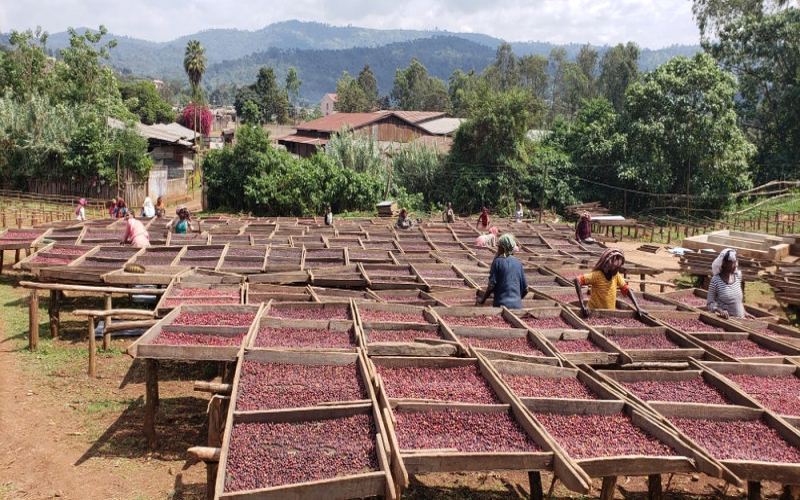
Yirgacheffe Konga Cooperative: A Comprehensive Analysis of Naturally Processed G1 Coffee under Fair Trade and Organic Certification
In the Yirgacheffe region of Ethiopia, the Konga Cooperative is a model organization that holds both fair trade and organic certification, with over two thousand smallholder farmers cultivating high-altitude land in the Gedeo zone. In this article, Front Street Coffee will take you deep into the Konga Cooperative's geographic background, soil advantages, its TOH sun-dried group championship honor, and the complete picture of the sun-dried G1 coffee from the Worka processing station—from cultivation, processing, roasting, cupping, and brewing—so you can experience this bean's complex juice-like mouthfeel and bright acidity. [more…]
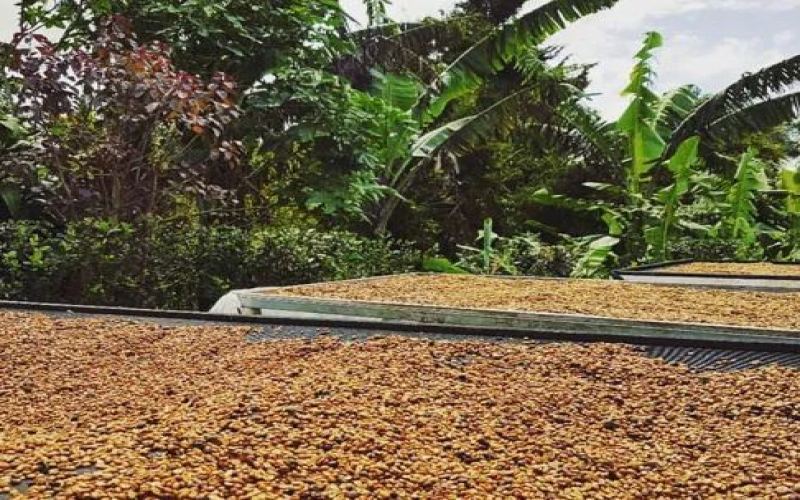
Costa Rica Central Valley Las Haras Estate: A Pioneer of Organic Certification and the Path of Honey Processing Innovation
Central America's coffee output is not particularly high, yet Costa Rica, with its exceptional natural environment and spirit of innovation, occupies an important place in the global specialty coffee landscape. Beyond the renowned Tarrazú region, the Central Valley is likewise home to coffee estates of outstanding quality. Among them, Las Haras Estate, as Costa Rica's first estate to obtain organic certification, is not only known for its eco-friendly cultivation philosophy but also a pioneer in the systematic study of natural and honey processing methods. Front Street Coffee takes you deep into this legendary estate at the foot of Poás Volcano, exploring its transition from chemical agriculture to natural farming, and how it continues to enhance coffee flavor expression through means such as sugar-meter screening and varietal introduction. [more…]
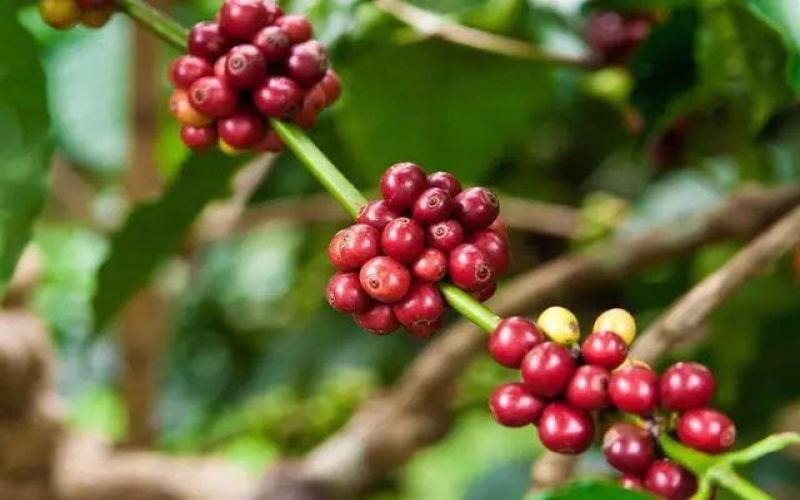
An Analysis of the Galápagos San Cristóbal Island Coffee Region: Organic Growing Conditions and Flavor Characteristics
The Galápagos Islands are located in the eastern Pacific Ocean, about 1,000 kilometers from the South American mainland, and were formed by the accumulation of undersea lava. Among them, the coffee produced on San Cristóbal Island is considered the finest coffee in Ecuador, with unique natural geographical conditions and an organic growing environment. This article will guide you through the geographical overview and historical background of the Galápagos Islands, the coffee-growing history and flavor characteristics of the San Cristóbal production area, and also share Front Street Coffee's brewing suggestions for this bean, helping coffee lovers gain a comprehensive understanding of this organic specialty coffee from the island of giant tortoises. [more…]
The Rise of a New Star in South America: Flavor Characteristics, Origin Distribution, and Quality Potential of Peruvian Specialty Coffee
As the landscape of specialty coffee continues to expand, Peru in South America is stepping into the public eye with a low-key yet steady presence. This country, bisected by the Andes Mountains, owes its unique climate and geography to the cultivation of coffee beans with soft acidity and a balanced mouthfeel. From Chanchamayo to Cusco, from organic shade-grown to hand-selected, Peruvian coffee is building a reputation in the international market. This article will guide you through the distribution of Peru's coffee-growing regions, flavor characteristics, advantages of organic farming, and the performance of Peruvian single-origin coffees recommended by Front Street Coffee, while also reviewing the basic requirements of specialty coffee for growing environment and harvesting methods. [more…]